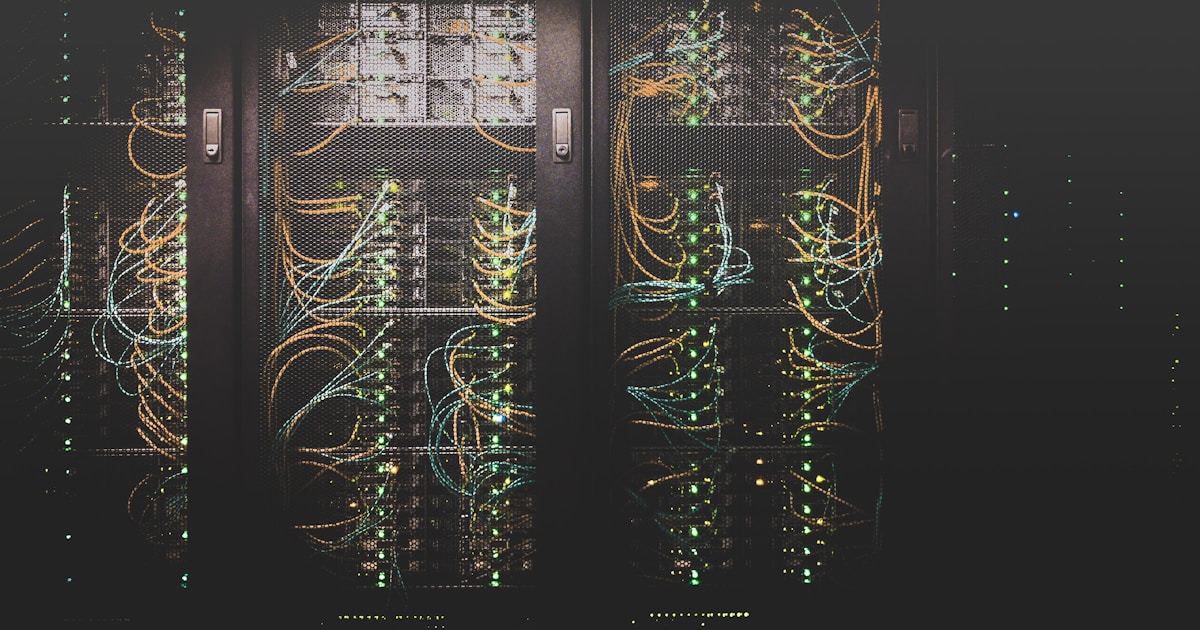
Building a Scalable Video Infrastructure
Launching a video portal requires robust back-end systems. If you fail to configure your transcoders, database structures, or CDN configurations properly, your viewers will experience continuous buffer lag and poor video resolutions. To Start Your Own OTT Platform, you must build an automated media pipeline that encodes raw video uploads and caches content at the edge.
Direct Answer: To start your own OTT platform, you must establish an automated video encoding engine (HLS/DASH), store media packages on elastic cloud buckets, leverage CDN distributions to cache content locally, and deploy customized player apps across target devices.
This technical guide shows the core infrastructure layers required to deploy a modern, scalable video streaming platform.
Core Video Pipeline Infrastructure Architecture
Infrastructure Scaling Best Practices
Ensure your platform configuration follows these engineering standards:
- Adaptive Bitrates: Your transcoders should output multiple video resolutions (360p, 540p, 720p, 1080p) to match user connections automatically.
- Manifest Optimization: Limit playlist files to 5-second segment increments to improve player start times.
- Database Caching: Cache video catalog query results inside Redis databases to avoid database overhead under high loads.
EdgeOpera designs and scales enterprise video streaming back-ends. Connect with our systems architects to build your media infrastructure →